

How Much Does It Cost to Market Your Business in 2026? Full Budget Breakdown
Introduction
In 2026, the cost to market a business can range from 5% to 20% of annual revenue, depending on your industry, goals, competition, and chosen channels. For some companies, that may mean spending a few hundred dollars a month. For others, especially brands focused on aggressive growth, it can mean thousands or even tens of thousands every month.
The truth is simple: marketing in 2026 is no longer a single-channel investment. Businesses are now spending across SEO, paid ads, content marketing, social media marketing, branding, analytics, automation, and website optimization. The brands that win are not always the ones spending the most. They are the ones spending strategically.
If you are trying to decide how much to invest, this guide will help you understand the real cost of digital marketing in 2026, what affects those costs, and how to build a budget that actually supports growth.
Why Marketing Costs Matter More in 2026
The digital landscape is more competitive than ever. Consumers are exposed to thousands of messages daily, ad costs continue to fluctuate, and search visibility is harder to earn without quality content and trust.
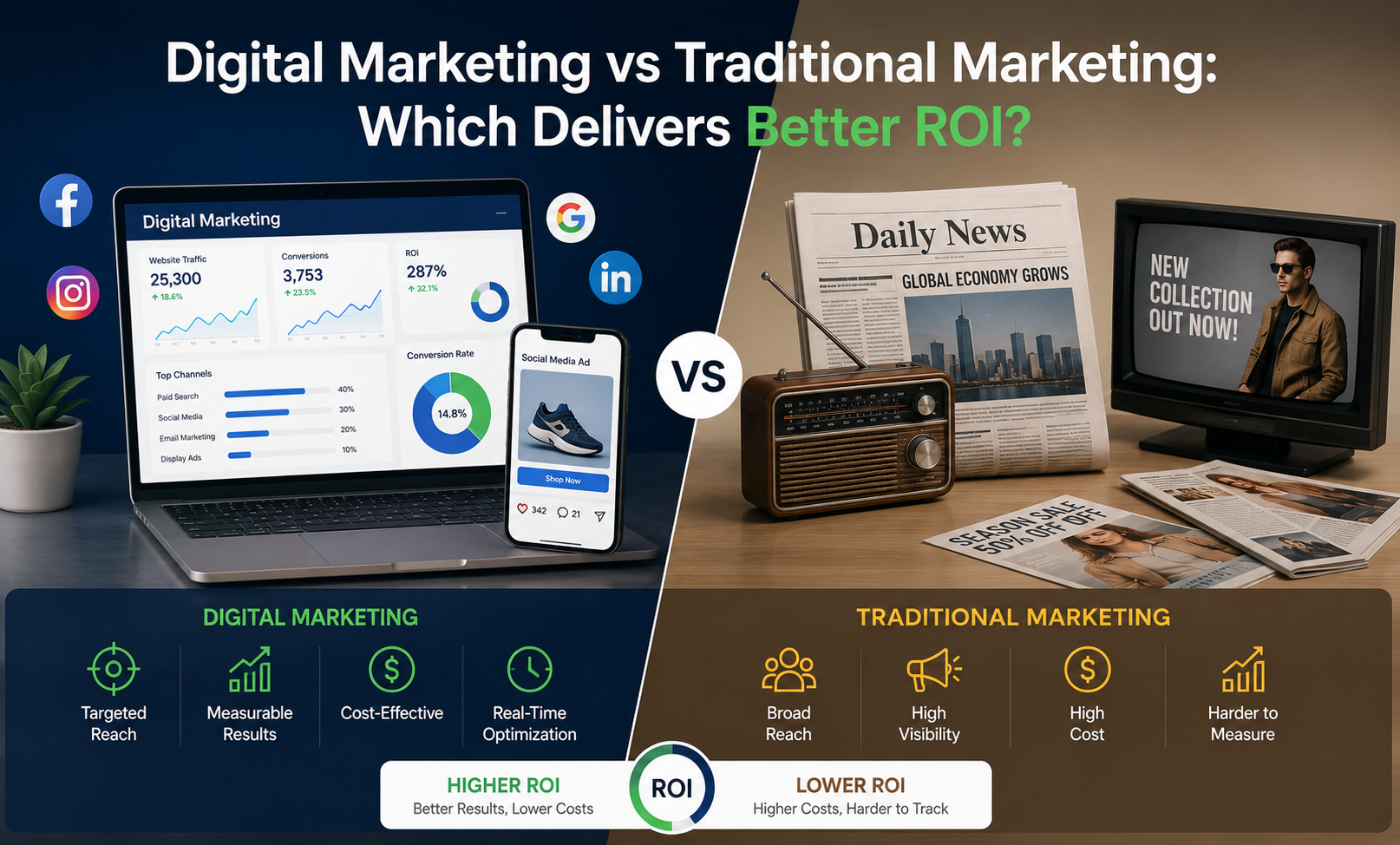
That is why businesses today need a mix of performance marketing, long-term brand building, and conversion-focused strategy. If your goal is measurable lead generation and ROI, investing in the right performance marketing services can help balance short-term wins with long-term growth.
At the same time, businesses that rely only on paid traffic often see rising acquisition costs. This is where content and organic visibility become essential for sustainable marketing.
What Percentage of Revenue Should a Business Spend on Marketing in 2026?
A common benchmark is:
- 5% to 8% of revenue for established businesses focused on maintenance
- 7% to 12% of revenue for businesses aiming for growth
- 12% to 20% of revenue for startups, new product launches, or highly competitive industries
This percentage is not fixed for every business. A local service provider may spend less than an ecommerce brand competing nationally. A B2B company with long sales cycles may need stronger investment in education, trust, and lead nurturing.
The smarter question is not just how much should I spend?
It is: what channels will generate the strongest return for my business model?
Average Monthly Marketing Costs by Business Size
Startup or Solo Business
A startup or solo founder may spend around $500 to $2,500 per month. This usually covers basic tools, occasional paid ads, some content creation, and simple website maintenance.
Small Business
A small business often spends $2,500 to $10,000 per month, depending on whether they are investing in local SEO, Google Ads, social media, email campaigns, or blog content.
Mid-Sized Business
A growing company may invest $10,000 to $50,000+ per month, especially if it uses an agency, runs multi-channel campaigns, and needs more frequent reporting and optimization.
Enterprise
For large businesses, marketing spend can reach six figures monthly, particularly when teams are managing paid media, branding, SEO, creative production, automation, and customer retention programs.
Marketing Cost Breakdown by Channel in 2026
1. SEO Costs in 2026
Search engine optimization remains one of the most valuable long-term marketing investments. But SEO is no longer just keywords and backlinks. It now includes technical fixes, quality content, internal linking, user intent alignment, and trust-building signals.
Businesses serious about long-term visibility often invest in search engine optimisation services to improve rankings, attract qualified traffic, and reduce long-term dependence on paid ads.
Depending on scope, SEO costs can range from:
$300 to $1,000/month for basic local SEO
$1,000 to $5,000/month for consistent professional SEO
$5,000+ per month for competitive industries or large websites
If your strategy includes structured data and advanced visibility improvements, this related blog on schema markup types, SEO benefits, and search visibility is a natural internal resource to support the topic.
2. Content Marketing Costs in 2026
Content is one of the strongest investments for authority, brand trust, organic traffic, and lead nurturing. However, good content takes planning, research, optimization, and consistency.
This includes:
Blog writing
Service page content
Case studies
Landing page copy
Video scripts
Lead magnets
Email content
A brand focused on authority and inbound traffic should not treat content as a side task. Investing in professional content marketing services can help turn blog posts and resources into a real growth channel instead of random publishing.
Typical content marketing costs may range from:
$100 to $500 per blog for basic content
$500 to $1,500+ per blog for expert-led SEO content
$2,000+ monthly for a consistent content strategy
If your audience is also exploring AI-assisted content creation, you can internally support that journey with this related blog: Can ChatGPT write SEO-friendly blogs? A practical guide
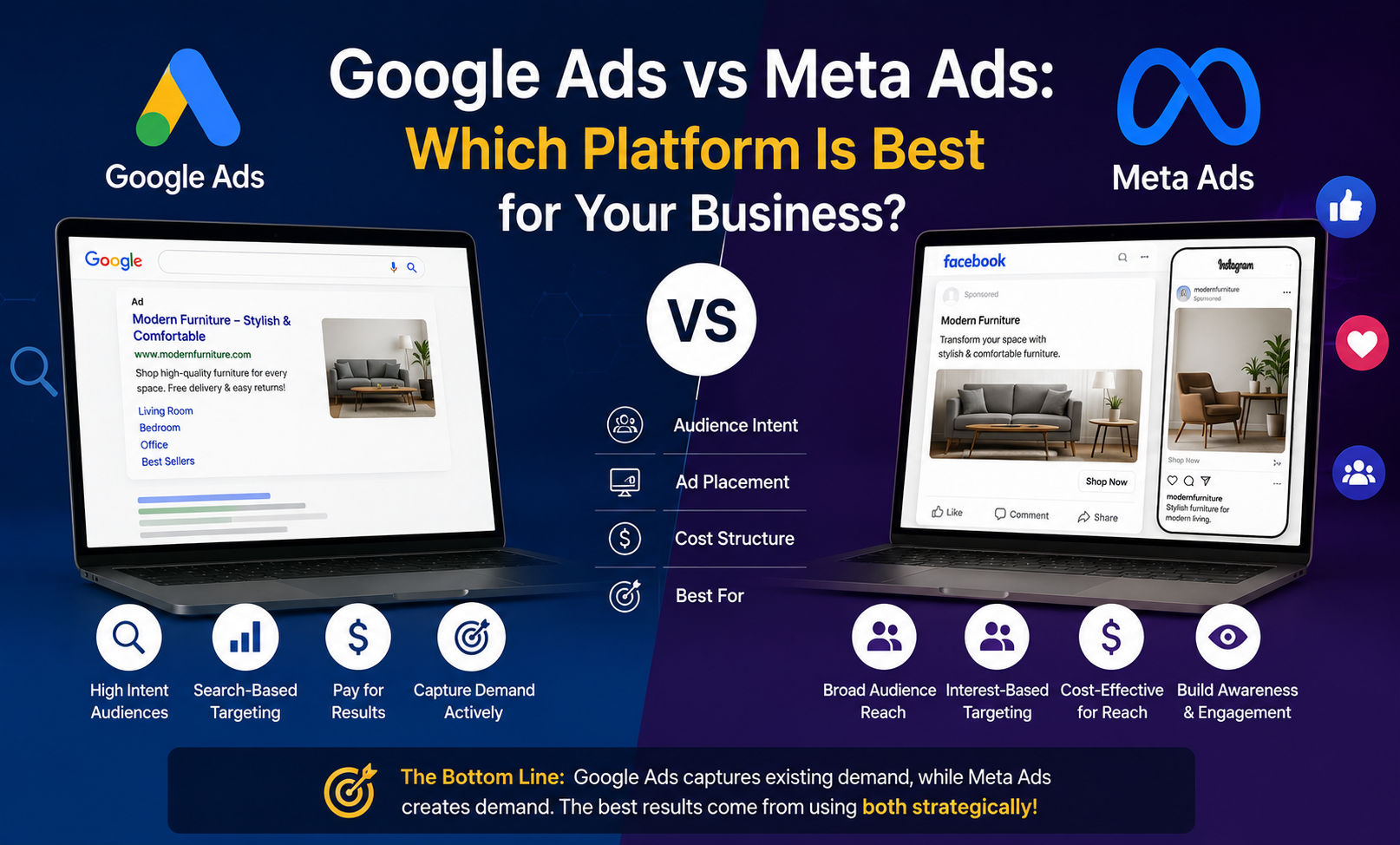
3. Paid Advertising and Performance Marketing Costs
Paid advertising remains one of the fastest ways to generate traffic, leads, and sales. However, it is also one of the most expensive channels if campaigns are not optimized well.
Your paid media costs may include:
Google Ads budget
Meta Ads budget
Creative production
Landing page optimization
Campaign management fees
Retargeting setup
Analytics and tracking
For this reason, many businesses combine paid campaigns with performance marketing services so that spend is tied more closely to measurable outcomes like conversions, leads, and revenue.
In 2026, paid campaign budgets can look like this:
$500 to $2,000/month for small local campaigns
$2,000 to $10,000/month for growth-focused SMBs
$10,000+ per month for aggressive lead generation or ecommerce scaling
If you want to strengthen the ROI angle inside your site structure, a great internal blog match is Measuring ROI in UAE Digital Campaigns: KPIs, Dashboards & What the Big Agencies Do
4. Social Media Marketing Costs in 2026
Social media marketing can be affordable in theory, but in reality it often becomes labor-intensive. Brands need strategy, design, captions, editing, scheduling, community management, and sometimes paid support.
That is why businesses investing in awareness, engagement, and audience building often use social media marketing services to maintain consistency and turn social platforms into meaningful acquisition channels.
Typical social media costs may include:
$300 to $1,500/month for basic account handling
$1,500 to $5,000/month for strategic management and content creation
Additional paid ad budgets if boosting or running campaigns
Social media should not be measured only by likes. It should be measured by reach quality, lead intent, repeat visibility, and assisted conversions.
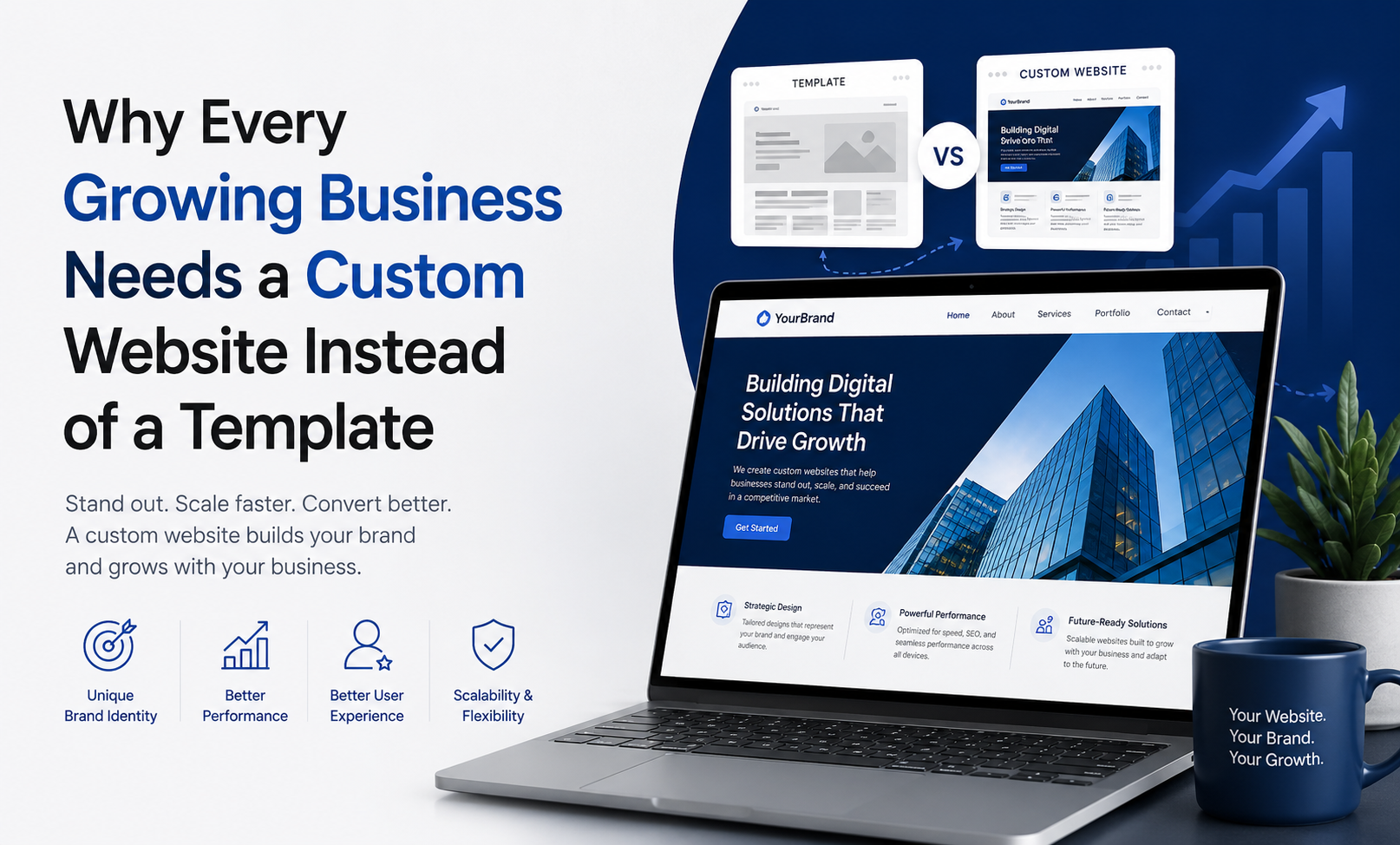
5. Website and Landing Page Costs
A common mistake businesses make is spending on ads and SEO while ignoring the destination page. If your website is slow, confusing, outdated, or weak in trust signals, your marketing costs rise because traffic does not convert.
Website costs may include:
Landing page design
Conversion-focused copy
Speed optimization
UX improvements
Mobile responsiveness
App or custom development
A/B testing
A poor site increases your cost per lead and reduces your return on every marketing dollar. That is why website quality should always be treated as part of marketing cost, not separate from it.
6. Branding and Identity Costs
Branding is often underestimated because its ROI is not always immediate. But in 2026, brand trust plays a major role in click-through rates, conversions, repeat purchases, and pricing power.
Branding costs may include:
Logo and visual identity
Brand messaging
Tone of voice
Campaign identity
Design systems
Sales presentation assets
For newer businesses and growing agencies, branding is not optional. It improves recognition and makes every marketing channel work harder.
In-House Team vs Agency vs Freelancers
In-House Marketing Team
An internal team gives control and fast communication, but comes with hiring costs, salaries, benefits, tools, and management overhead.
Freelancers
Freelancers can be a good option for specialized tasks such as SEO writing, ad setup, or design. They are flexible, but quality and consistency vary.
Marketing Agency
Agencies can provide strategy, execution, reporting, and cross-channel expertise. While monthly retainers may look higher upfront, they often reduce the need to build a full internal team.
If your audience is comparing options before hiring, this blog is an excellent internal link: The Hidden Cost of Hiring the Wrong Digital Marketing Agency
Sample Marketing Budgets for 2026
Example 1: Small Local Business
A local business may spend:
SEO: $500 to $1,500
Google Ads: $500 to $2,000
Social media: $300 to $1,000
Content: $300 to $800
Website updates/tools: $100 to $500
Total: $1,700 to $5,800/month
Example 2: Growth-Focused Service Business
A service business looking to scale may spend:
SEO: $1,000 to $3,000
Content marketing: $1,000 to $3,000
Paid ads: $2,000 to $6,000
Social media: $800 to $2,000
Tracking/CRO/tools: $500 to $1,500
Total: $5,300 to $15,500/month
Example 3: Aggressive Growth Brand
A business trying to dominate a niche may invest in:
SEO and content clusters
Paid search and paid social
Video and creative production
Conversion optimization
Funnel and CRM automation
Brand strategy
This can easily push spend to $15,000+ monthly, depending on the market.
How to Build a Smarter Marketing Budget in 2026
The best way to budget is not by copying competitors blindly. It is by aligning budget with goals and economics.
Start with goals
Do you want traffic, leads, sales, brand awareness, or retention?
Know your CAC
Your customer acquisition cost should guide how much you can afford to spend.
Balance short-term and long-term channels
Paid media can bring fast traffic, while SEO and content create long-term compounding returns.
Measure ROI monthly
Do not keep spending on channels that look active but produce weak outcomes.
Fix conversion points first
More traffic will not solve weak landing pages, poor messaging, or bad follow-up systems.
Final Thoughts
So, how much does it cost to market your business in 2026?
For most businesses, the answer falls somewhere between 5% and 12% of revenue, though companies in high-growth mode may need to invest more. The exact number depends on your industry, goals, conversion systems, and whether you are using the right mix of SEO, content, paid ads, and social media.
Marketing should not be seen only as an expense. It should be treated as a system that builds visibility, trust, demand, and long-term revenue.
The businesses that win in 2026 will not necessarily be the ones with the biggest budgets. They will be the ones with the clearest strategy, the best execution, and the strongest alignment between spending and outcomes.
Leave a Reply