

Google Ads Cost in 2026: Pricing, Budget, and Key Factors
Introduction
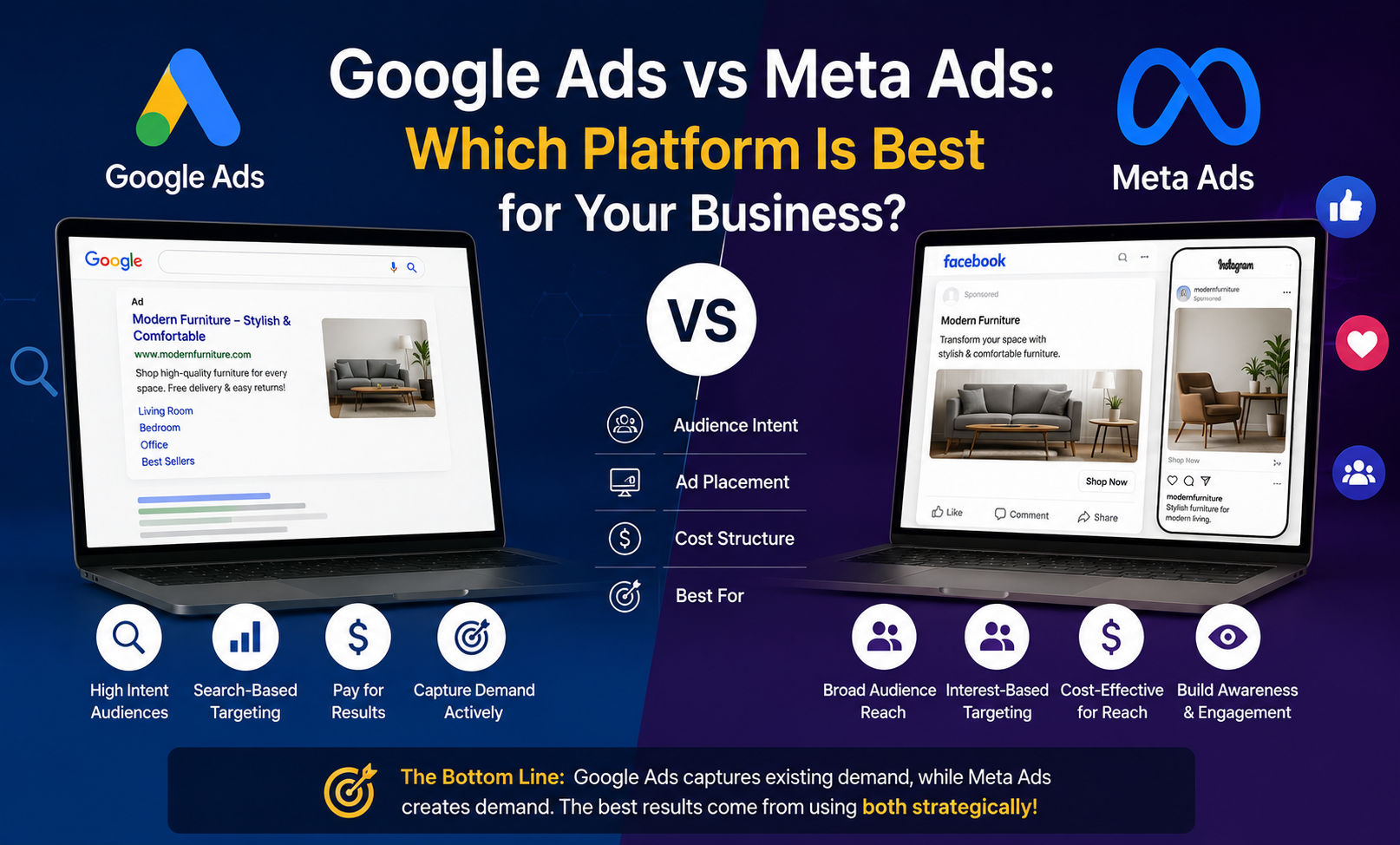
If you are planning paid advertising this year, understanding Google Ads cost in 2026 is one of the first and most important steps. Many businesses ask the same question: How much does Google Ads actually cost? The truth is that there is no universal flat fee. Your total spend depends on keyword competition, industry, campaign type, targeting settings, bidding strategy, and how well your ads and landing pages perform.
For businesses that want better returns from paid campaigns, it helps to look at Google Ads pricing not as a fixed expense but as an investment model. When campaigns are built correctly, even a higher cost per click can still generate profitable leads and revenue. This is why brands often combine paid advertising with broader performance marketing strategies to focus on measurable outcomes rather than vanity metrics.
How Google Ads Pricing Works
Google Ads runs on an auction-based system. Every time someone searches for a keyword, Google evaluates eligible ads based on factors such as bid amount, ad relevance, expected click-through rate, and landing page experience. This means the highest bidder does not always win. A more relevant and better-optimized ad can often earn higher visibility at a lower cost.
This is where many businesses misunderstand Google Ads cost per click. They focus only on bidding more, when in reality ad quality plays a major role. If your ad copy matches search intent and your landing page gives users a strong, relevant experience, your campaigns are more likely to perform efficiently.
That is also why businesses investing in paid media should not ignore supporting channels like search engine optimisation. SEO and Google Ads work best together because paid search drives immediate traffic while SEO builds long-term authority and visibility.
Average Google Ads Cost in 2026
In 2026, Google Ads cost can range from a few dollars per day for local campaigns to thousands per month for competitive sectors like legal, finance, healthcare, SaaS, or real estate. A small business targeting a narrow service area may start with a modest budget, while a national brand competing across multiple cities and product categories may need significantly more.
A practical way to think about budget is through three common levels:
- Starter budget: Suitable for small local businesses testing search ads
- Growth budget: Ideal for businesses actively generating leads or ecommerce sales
- Scale budget: Best for brands in competitive industries or multiple markets
The real question is not simply “How much should I spend?” but “How much do I need to spend to acquire profitable customers?” That is why budget planning should always connect to lead goals, close rates, and customer lifetime value.
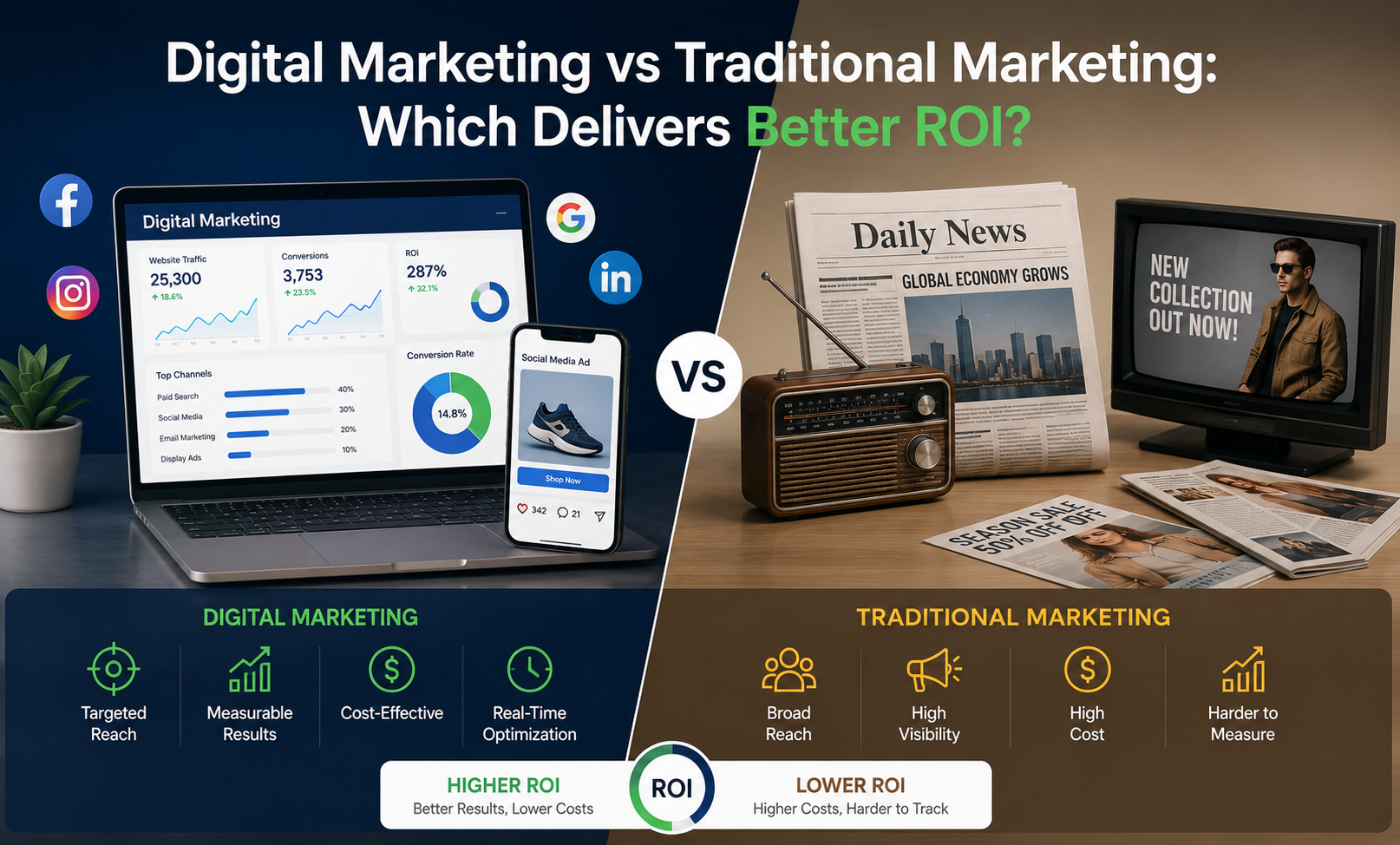
If your business is focused on measurable lead generation, you should also pay attention to analytics and attribution. A useful reference here is this post on measuring ROI in UAE digital campaigns, which explains why dashboards, KPIs, and proper reporting matter when evaluating campaign spend.
Key Factors That Affect Google Ads Cost
1. Industry Competition
Your industry has a major impact on Google Ads pricing. Highly competitive sectors usually have more advertisers bidding on the same keywords, which increases CPC. If one customer is worth a large amount of revenue, businesses will naturally bid more aggressively to win that traffic.
2. Keyword Intent
Not all keywords cost the same. Informational keywords are often cheaper than high-intent, conversion-focused keywords. For example, someone searching for general advice is different from someone searching for a service provider or pricing details. High commercial intent usually means higher competition and higher ad costs.
3. Campaign Type
Search campaigns, display campaigns, remarketing, shopping ads, and video ads all behave differently. Search campaigns often cost more because they target users with stronger buying intent. Display and video can be more affordable for awareness, but they may not convert as directly unless the funnel is built properly.
4. Quality Score and Landing Page Experience
A strong landing page can reduce wasted spend and improve conversion rates. Fast loading, relevant messaging, clear calls to action, and a good mobile experience all help. Businesses that ignore landing page quality often blame ad cost when the real problem is post-click experience.
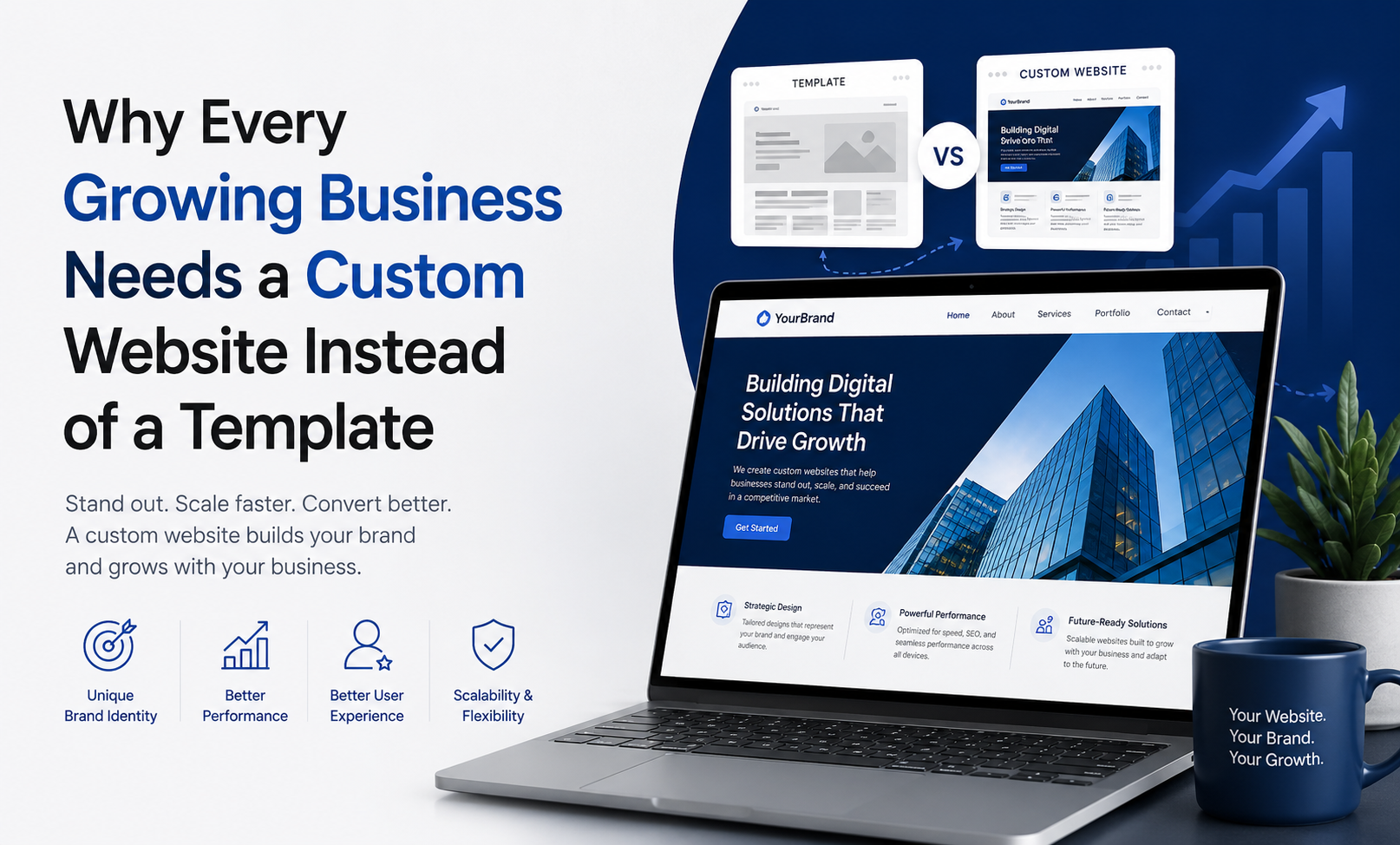
This is especially important if you are driving paid traffic to under-optimized pages. Brands with a stronger digital foundation often perform better because their websites are built for speed, UX, and conversion. That is one reason many companies align ad campaigns with website & app development efforts to improve the full user journey.
5. Targeting Settings
Location, device, time of day, demographics, and audience targeting all influence cost. A campaign targeting premium urban markets may cost more than one focused on smaller local areas. Broad targeting can also waste budget if your message is shown to the wrong audience.
6. Bidding Strategy
Manual CPC, Maximize Clicks, Maximize Conversions, Target CPA, and Target ROAS each change how Google manages bids. The best option depends on your data quality, campaign maturity, and goals. A poor bidding strategy can drive up spend without improving results.
How to Set a Realistic Google Ads Budget
The smartest way to set a Google Ads budget is to reverse-engineer it from your business goals. Start with your target number of leads or sales, estimate your conversion rate, and then calculate what you can afford to pay per acquisition.
For example, if your goal is 30 qualified leads per month and your estimated cost per lead is manageable within your margins, you can build your monthly budget around that target. This approach is more strategic than setting an arbitrary daily spend.
Budget planning also becomes stronger when you support paid ads with valuable assets such as landing pages, ad creatives, and educational content. That is why integrated campaigns often benefit from a broader content marketing approach. Better content improves trust, supports remarketing, and helps users convert after the first click.
Is Google Ads Worth the Cost in 2026?
Yes, for many businesses, Google Ads is still worth the investment in 2026. The key is not spending more blindly but spending smarter. When campaigns are aligned with user intent, backed by strong landing pages, supported by accurate tracking, and optimized consistently, Google Ads can produce reliable, scalable growth.
However, businesses with poor websites, unclear offers, weak conversion paths, or bad campaign management may feel that Google Ads is too expensive. In reality, the issue is often not the platform itself but the lack of strategic alignment.
Final Thoughts
Google Ads cost in 2026 depends on multiple moving parts, including industry competition, keyword intent, targeting, bidding strategy, and landing page quality. There is no one-size-fits-all number, but there is a clear formula for success: focus on relevance, track real business outcomes, and treat ad spend as part of a complete performance strategy.
With the right setup, Google Ads can become a profitable growth channel instead of just another marketing expense.
Leave a Reply